This is a topic where I constantly see parents doing their absolute best and still getting caught in a trap. Packaged food marketing has become incredibly clever at sounding reassuring. We see phrases plastered everywhere:
“Made with real fruit!” “No added preservatives!” “Multigrain goodness!” “Rich in calcium for growing bones!”
A mom recently showed me a packaged toddler snack she had been giving her three-year-old every single day. “Riddhi, it says ‘100% natural and healthy’ right on the front,” she told me.
And honestly? I understood exactly why she picked it. The packaging was bright, it featured illustrations of fresh fruits, and it promised immunity and growth. It looked like the perfect, guilt-free choice.
But when we turned the pack over to look at the actual ingredient list, the first three ingredients told a very different story: refined flour (maida), sugar, and palm oil. The actual fruit content? Less than 2%.
That is the golden rule of grocery shopping:
The front of the packet is marketing. The back of the packet is information.
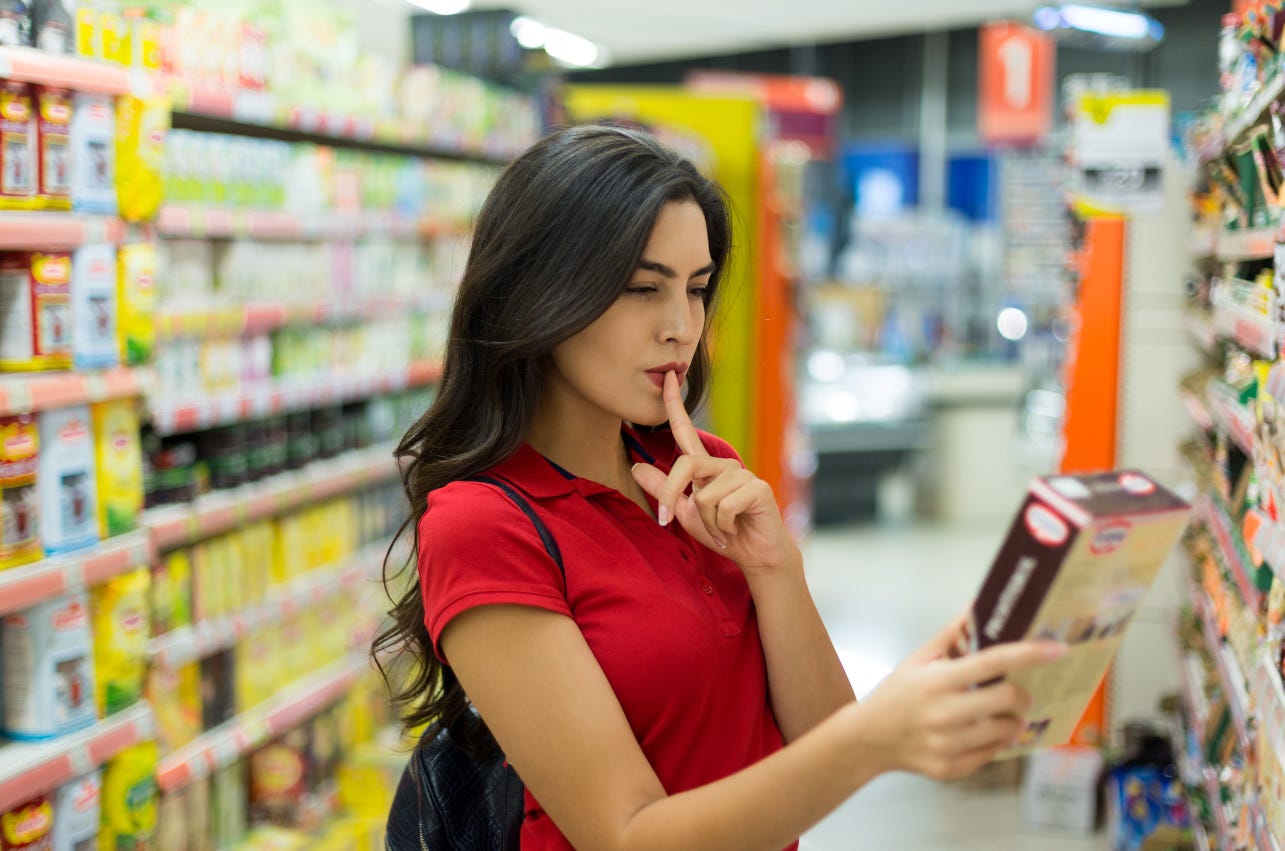
Why It’s So Easy to Get Tricked
Let’s be honest- parents are busy. No one has the time or mental energy to stand in a crowded supermarket aisle decoding complex scientific terms while a toddler is pulling at their sleeve.
Food companies know this. They know you are looking for quick, emotional reassurance that you are doing a good job. Words like wholesome, baked, natural, or fortified are specifically chosen to make you make a fast, guilt-free decision.
But many of these words do not paint the full nutritional picture. To find the truth, you have to bypass the claims and look straight at the facts.
The Label Decoding Guide
The next time you pick up a product marketed for children, skip the front entirely, flip it over, and check these three things:
1. The Rule of Descending Order (The First 3 Ingredients)
By law, ingredients must be listed in order of weight, from highest to lowest. This means the first three ingredients make up the vast majority of what your child is actually eating.
- The Red Flags: If the first three ingredients list sugar, glucose syrup, refined flour (maida), maltodextrin, or hydrogenated vegetable fat, the snack is essentially processed junk food wearing a “healthy” mask.
- The Green Flags: Look for real food items at the top of the list like whole wheat, oats, ragi, jaggery/dates, chickpea flour (besan), or nuts.
2. The Secret Names Sugar Hides Under
Many parents scan the label specifically looking for the word “sugar” and feel relieved if they don’t see it. But companies frequently split up their sweeteners under different names so sugar doesn’t appear as the first ingredient. Look out for these hidden names:
Liquid glucose, invert syrup, fructose, corn syrup, maltose, dextrose, sucrose, and fruit juice concentrate. * Different names, same exact metabolic outcome for your child’s body.
3. The “No Added Sugar” Illusion
This claim catches so many well-meaning parents off guard. A product can technically state “No Added Sugar” while still being incredibly sweet because it is loaded with apple juice concentrate, date syrup, or malt extract. While these are naturally derived, they are still highly concentrated sugars that fill small stomachs and can spike energy levels.
4. The Fortification Trap
This is a classic marketing trick. A label will proudly declare: “Source of Iron and Calcium!” Parents see this and stop looking. But adding a pinch of synthetic calcium to a highly processed biscuit does not turn that biscuit into a health food. A sugary cereal with added iron is still a sugary cereal. Don’t let one single added nutrient distract you from the quality of the base ingredients.
The 3-Question Cheat Sheet
If you want a shortcut while grocery shopping, just flip the box over and ask yourself these three quick questions:
What is the very first ingredient? (Is it real food or a processed filler?)
Do I recognize these words? (If the ingredient list reads like a high school chemistry textbook full of emulsifiers and artificial flavors, put it back.)
Is this branded “for kids” just for the markup? (Remember: “For Kids” is a marketing category, not a nutritional one. Often, standard adult staples like plain puffed rice, plain makhana, or regular curd are far healthier and cheaper than the heavily processed toddler versions.)
Packaged Food Is Not the Enemy
Please know that this guide is not here to make you feel guilty or to say, “Never buy packaged food again.” That is completely unrealistic.
We live in the real world. Busy evenings happen, travel happens, power cuts happen, and unexpected toddler hunger meltdowns happen. Packaged foods absolutely have a valid place in a modern kitchen.
The goal here isn’t absolute perfection; it is simply about making slightly more informed choices. Instead of asking yourself, “Is this product perfectly healthy?” try asking, “What is this snack mostly made of?” That single question cuts through a massive amount of marketing noise.
Sometimes, the healthiest choice in the supermarket is the one with the least impressive packaging.
Let’s practice together: What is one packaged snack your child loves that has a confusing label? Hit reply or leave a comment below with the name, and let’s decode the ingredients together in the comments!
If this article helped you feel more confident at mealtimes, you can receive weekly feeding insights directly in your inbox by subscribing to our newsletter- https://babyledweaningindia.substack.com/