Ganesh Chaturthi pandals are glowing, dhol-tasha drums are echoing through the street, house guests are arriving for aarti, and the kitchen smells divine with fresh ukadiche modak. It’s one of the most vibrant, heartwarming times of the year for Indian families.
Yet, as you sit down to a festive meal, your toddler takes one look at their plate, screams, pushes the food away, and collapses into a full-blown meltdown.
In an Indian household, the reaction to this is almost instant: “Why are they acting out today of all days?”
“They are being so fussy in front of everyone.”
“They haven’t eaten a single bite; everyone is watching.”
Before you let guilt or frustration take over, take a deep breath.
Your child isn’t throwing a tantrum to ruin the evening. Their nervous system is simply pushed to its limit
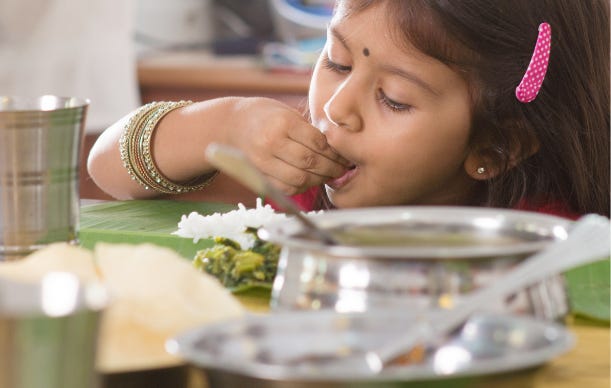
The Invisible Dynamic: Why Festival Meals Feel So Hard
Eating isn’t just about chewing—it requires a child’s brain to manage a huge amount of sensory information all at once:
- Touch: Sticky fingers, new textures, and hot or cold food
- Taste & Smell: Strong spices, steaming ghee, and sweet aromas
- Body Work: Staying upright and sitting still in a chair
Now, layer on the extra noise of Ganesh Chaturthi or festival days. Booming dhol drums, loud aarti bells, bright flashing lights, crowded rooms, and missed nap times.
When all of this happens at once, your toddler isn’t being “fussy.” Their brain is simply overloaded by too much noise, light, and change.
When you place a plate of complex festive food in front of an overstimulated toddler, their brain registers it as one sensory trigger too many. Rejecting the food or melting down is their only way of saying: “I am overwhelmed.”
How to Bring Peace Back to Festive Mealtimes
You don’t need to skip family celebrations or isolate your child. You simply need a few gentle strategies to cushion their nervous system.
1. Create a “Sensory Wind-Down” Before the Meal
Do not transition a toddler directly from a loud pandal or aarti session straight to the dinner table. 10–15 minutes before eating, take them into a quiet, dimly lit bedroom. Wash their hands with warm water, remove heavy or itchy festive clothing, and read a short book together. Lowering their heart rate unlocks their appetite.
2. Offer a “Safe Food” on the Plate
Festive meals often feature new shapes, rich gravy, and intense sweetness. Always include one predictable, low-sensory “safe food” on their plate that they know and love like plain rice, a piece of familiar roti, a mild paneer cube, or steamed carrots. They don’t have to eat the complex feast to feel safe at the table.
3. Don’t Force the Big Family Table
If your dining room is packed with relatives talking loudly, a sensitive toddler will struggle to focus on eating. It is completely okay to let your child eat their main meal earlier in a quieter corner of the house with one calm caregiver. Later, when the family sits down, they can join the table purely for social connection with a slice of fruit; no eating pressure attached.
4. Keep Festive Outfits Comfortable for Eating
Heavy embroidery, stiff zari borders, tight kurta necklines, and scratchy tags make sitting upright uncomfortable. Change them into soft, breathable cotton clothes before sitting down to eat.
2 Easy, Calming Festive Recipes
During busy festival days, you need simple, comforting meals that take under 10 minutes, soothe an overstimulated gut, and deliver solid nutrition without complex sensory triggers.
Recipe 1: Soft “Ghee-Jeera” Rice Bowl
A gentle comfort food that combines soothing carbohydrates with healthy fats.
- Ingredients:
- ½ cup warm, well-mashed cooked Basmati or Indrayani rice
- 1 tsp pure Ghee
- A tiny pinch of roasted Jeera (cumin) powder
- A pinch of turmeric and salt
- 1–2 tbsp warm milk or mild dal water
- Method:
- Heat ghee in a small pan and add the pinch of roasted cumin powder until fragrant.
- Add the warm, soft rice and stir well on low heat.
- Mash gently with a fork, adding turmeric, salt, and a splash of warm milk or dal water to make it creamy and easy to swallow. Serve lukewarm.
Recipe 2: Mild “Makhana & Banana” Creamy Bowl
A soothing snack perfect before an evening aarti or after a long day of guests.
- Ingredients:
- ½ cup Makhana (Fox nuts)
- 1 soft ripe banana (mashed)
- ½ cup warm milk (or breastmilk/formula/plant milk)
- A pinch of cardamom (elaichi) powder
- 1 tsp smooth nut butter or nut powder
- Method:
- Dry roast the makhana in a pan until crispy, then grind into a fine powder.
- In a bowl, mash the ripe banana until smooth.
- Stir in the powdered makhana, warm milk, cardamom powder, and nut butter.
- Mix well until it forms a creamy, naturally sweet, low-sensory pudding.
The Thought I’d Leave You With
Festivals are meant to be joy-filled, but a toddler’s threshold for sensory noise is much lower than ours.
If your child refuses their festival dinner tonight, don’t measure your parenting by the untouched plate. Focus on the relationship, protect their calm, and remember:
A calm, grounded child will always eat better than an overwhelmed one.
What time does dinner usually happen during festival days in your home? Also, which topic would you love to see in our next article? Drop your thoughts below. I’d truly love to read all your comments!