The problem isn’t one spoonful of sugar. It’s what happens when food becomes something we have to fear.
“Can I give my child jaggery?”
“Is mango too sweet for a toddler?”
“I don’t give my child any sugar at all. Is that okay?”
These are some of the most frequent questions I hear in my feeding consultations. Lately, the anxiety goes even deeper: “If I let them have a piece of cake now, won’t they get addicted to sugar?”
It is completely understandable why parents feel this way. We are surrounded by aggressive messaging telling us that sugar is evil. Zero sugar. Sugar-free. Refined sugar is bad. Jaggery is better. Dates are healthy. Feeding our kids starts to feel like a constant, exhausting exercise in avoiding the “wrong” ingredients.
But after working with hundreds of families, I view this differently. Sugar itself isn’t the real enemy. Food fear and unbalanced patterns are.
What matters far more is your child’s overall pattern of eating: how often hyper-sweet foods show up, what nutritious foods they displace, the pressure surrounding mealtimes, and whether we are inadvertently teaching our children that some foods are “good” and others are “bad.”
First, Let’s Separate Natural Sugar From Added Sugar
This distinction gets lost in online debates:
- Naturally Occurring Sugars: Found in fresh whole fruit (fructose) and plain dairy/milk (lactose). These come packed with fiber, water, calcium, and essential vitamins.
- Added Sugars: Sugars added during preparation or manufacturing. These show up in biscuits, packaged juices, flavored yogurts, chocolates, sweetened cereals, and bakery items.
The concern isn’t a child eating a sweet treat at a birthday party. The concern is when processed, highly sweetened foods quietly become an everyday staple.
Why Kids (and Toddlers) Love Sweets
Children are biologically hardwired to prefer sweet flavors. It’s nature’s way of attracting them to energy-dense foods.
Highly sweetened packaged snacks are engineered to be intensely palatable, easy to chew, and instantly rewarding. If a child is offered biscuits throughout the morning, it’s completely natural for them to reject plain cooked vegetables or dal at lunch.
That isn’t a “sugar addiction.” It’s simply a child choosing the food that is most familiar, easy, and high-reward.
What Actually Worries Me More Than One Sweet Treat
If I had to highlight the one pattern that causes feeding challenges, it isn’t a slice of birthday cake. It’s the quiet displacement of real food throughout the day:
- A sweet biscuit with morning milk
- Sweetened breakfast cereal or packaged juice
- A sweet snack after naptime
- Chocolate or dessert after dinner
A toddler’s stomach is tiny. When their limited belly space is repeatedly filled with sweet drinks, biscuits, and packaged treats, there is simply no room left for:
- Dal, lentils, and whole grains
- Eggs, paneer, and tofu
- Fresh vegetables and fruit
- Nuts, seeds, and healthy fats
The most useful question isn’t “How much sugar did my child eat today?” It is “What did that sweet food replace?”
2 Common Sugar Myths
1. “Jaggery and Dates Are a Free Pass”
Parents often tell me, “We don’t use sugar; we only sweeten with jaggery or dates.”
While jaggery, raw honey, and date paste do contain trace minerals, your child’s body still processes them as sugar. A homemade ladoo made with jaggery is a wonderful, nourishing treat but it is still a sweet.
2. “Fruit Has Too Much Sugar”
Please don’t put a fresh mango, chikoo, or banana in the same category as candy. Whole fruit comes with fiber, water, and vital micronutrients that slow down sugar absorption. Fearing natural fruit deprives your child of essential nourishment.
The Hidden Danger: Turning Food into a Moral Issue
When children constantly hear statements like:
“That’s bad food.”
“Sugar is poison.”
“Good kids eat their vegetables, not chocolate.”
They don’t just learn about nutrition; they assign moral value to eating. They begin to think: “I am good when I eat a salad, and I am bad when I eat a biscuit.”
Furthermore, making sweets completely forbidden creates scarcity. When a food is strictly banned at home, it becomes overwhelmingly exciting when encountered at a friend’s house or a family gathering. The child often overeats, not out of greed, but because they don’t know when they will ever see it again.
How to Build a Healthy Relationship with Sweets
- Keep Sweets Occasional and Neutral: Serve desserts or sweet treats as part of life- during festivals, birthdays, or family outings; without grand announcements or guilt.
- Never Use Sweets as a Reward: Saying “Finish your sabzi and you’ll get chocolate” teaches kids that vegetables are a punishment they must endure to earn the “real” reward.
- Avoid Sweets for Emotional Comfort: Comforting a sad or crying child with ice cream can teach them to use food for emotional regulation. Reach for a hug, a walk, or a story instead.
- Focus on Consistent Exposure to Real Food: Keep serving regular family meals. Dal, roti, rice, vegetables, dahi, paneer, and eggs. These don’t need to fight with dessert; they just need to be a predictable, normal part of daily life.
Healthy Sweet Snack Examples for Toddlers
When offering naturally sweet snacks, pair natural sweetness with protein, healthy fats, or fiber to slow down sugar absorption and keep energy levels stable:
- Fruit & Nut Butter Toast: Slices of banana or apple spread lightly with 100% unsalted peanut or almond butter on whole-grain bread.
- Hung Curd & Berry Dip: Thick, plain full-fat dahi (or hung curd) whipped with mashed stewed berries or a touch of mango purée.
- Roasted Makhana & Raisin Trail Mix: Lightly foxnuts (makhana) roasted in ghee, tossed with a handful of naturally sweet black raisins and pumpkin seeds.
- Sweet Potato Coins: Baked or tawa-roasted sweet potato slices sprinkled with a pinch of roasted cumin (jeera) powder and cinnamon.
- Oat & Date Mini Pancakes: Pancakes made with rolled oats, milk, mashed banana, and a touch of date paste, cooked in ghee.
The Thought I’d Leave You With
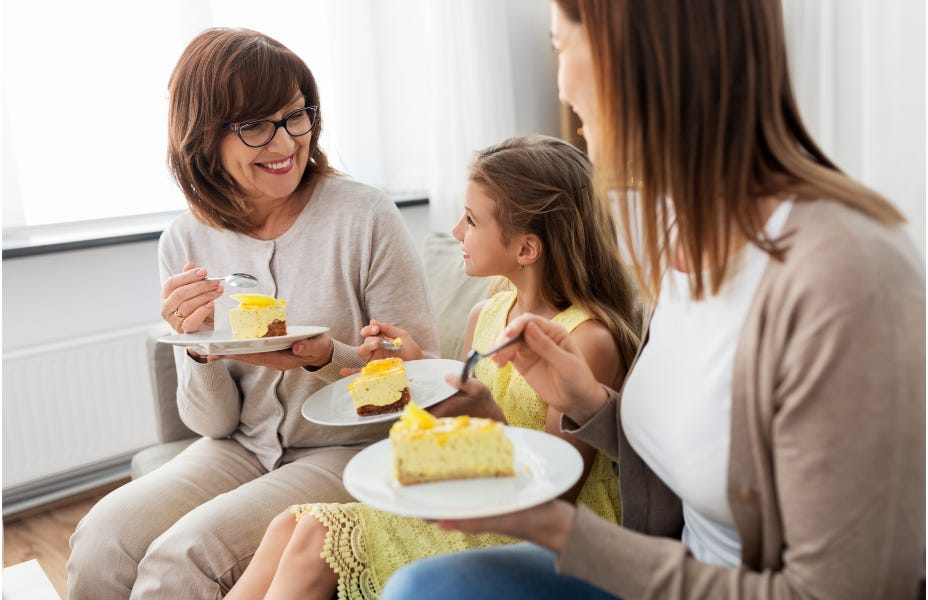
The goal isn’t to raise a child who never touches sugar. The goal is to raise a child who can enjoy a sweet treat casually, without feeling obsessed with it or guilty about eating it.
One piece of cake doesn’t ruin your child’s health. One mango doesn’t cause a sugar problem. Zoom out, ditch the food fear, and focus on the overall pattern: more real food, less food morality, and a calm, happy dining table.
A gentle note: This article is for general educational purposes. Children under two years of age should generally avoid foods and drinks with added sugars. If you have specific concerns about your child’s growth, diet, or nutrition, please consult your pediatrician.
If this article helped you feel more confident at mealtimes, you can receive weekly feeding insights directly in your inbox by subscribing to our newsletter- https://babyledweaningindia.substack.com/
Check out our complete archive of expert parent guides here: BLW India Post Archive
Feeling Overwhelmed by Nutritional Gaps and Picky Eating?
If you are constantly stressing over whether your child is getting enough nutrition, fighting daily mealtime standoff battles, or feeling exhausted by selective eating habits, let’s fix it together.
Take the guesswork out of your toddler’s nutrition and build a joyful, well-balanced plate with my 10-Day Personal Session with Riddhi.