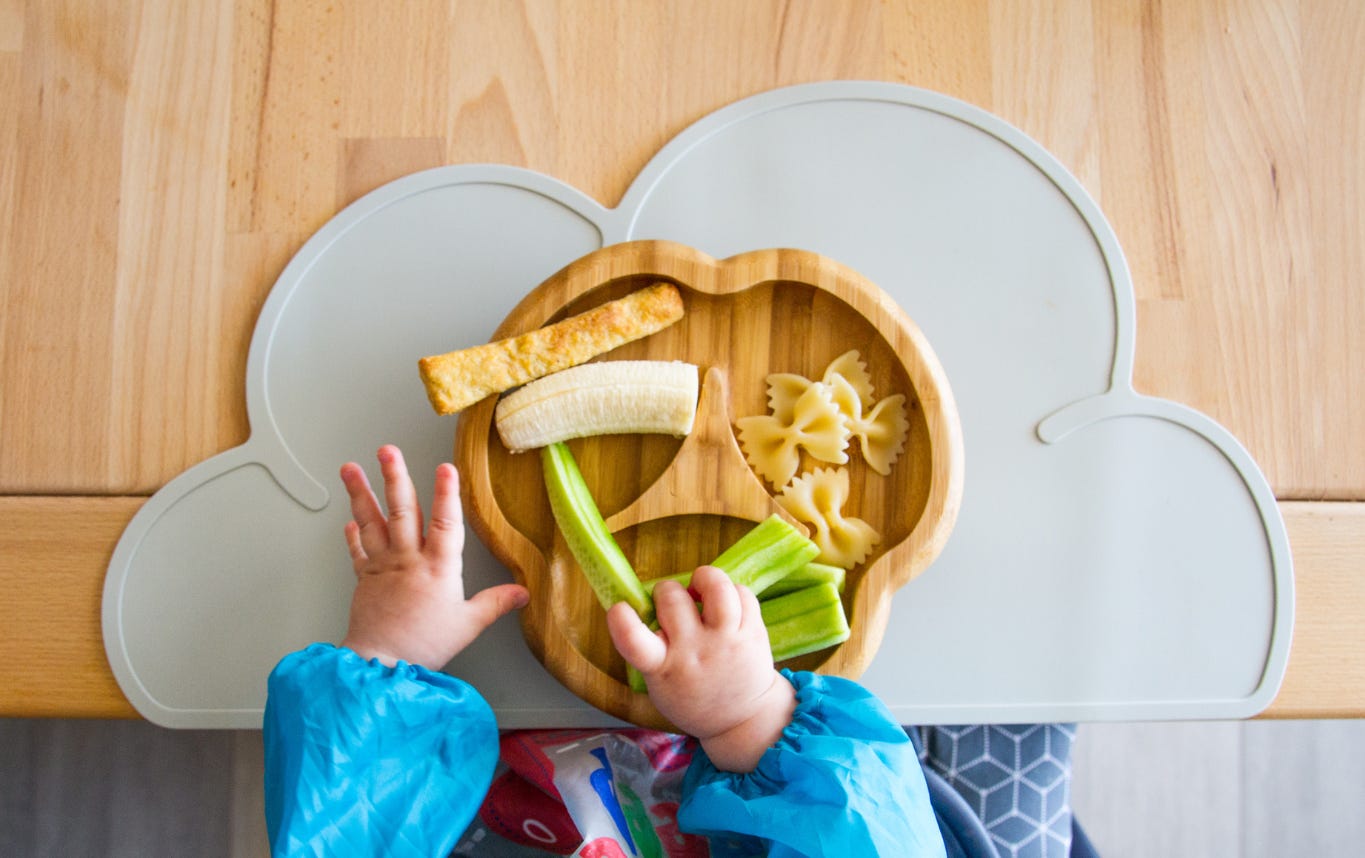
This is usually one of the very first questions parents ask when they start solids. And I completely understand why.
After months of waiting for this milestone, suddenly you’re expected to know it all:
Should I start with fruits or vegetables? Should I give dal water? Should I avoid all spices?What if I choose the wrong first food and ruin their palate forever?
A parent recently told me: “I’ve spent more time researching my baby’s first food than I did choosing my college degree.” And honestly? I believed her.
The internet is overflowing with rigid lists, charts, and conflicting advice. One person says banana. Another insists on rice cereal. Someone else swears vegetables must come before fruits or your child will develop a permanent sweet tooth. Before long, what should be an exciting milestone feels completely overwhelming.
So let me start with the core truth I tell almost every family:
The most important first-food decision is not which food you choose. It’s how you approach food.
The habits, environment, and experiences your child builds in this first year matter far more than whether their very first bite was banana or sweet potato.
Before you even look at what to put on the highchair tray, there is one crucial question to answer first: Is your baby actually ready for solids? While 6 months is the general benchmark, babies don’t look at calendars; they look at developmental milestones.
Before introducing their very first bite, check if your baby can do these three things:
- Steady Head and Neck Control: Can they hold their head completely steady without it wobbling or slumping forward while sitting?
- Unassisted (or Lightly Supported) Sitting: Can they sit up straight in a high chair without leaning heavily to one side? (Good core strength is vital for safe swallowing).
- Active Interest and Leaning Forward: When they see you eating, do they eagerly lean forward, reach out for your plate, or open their mouth as if expecting a bite? True readiness involves a desire to participate in family mealtimes, not just sitting there passively.
- Bringing Objects to Mouth: Are they successfully grabbing toys and teething rings and guiding them directly into their own mouth?
If your little one is tracking with these signs, they are officially ready to start their food journey. If not, it is completely okay to wait a week or two and try again!
If you are unsure whether your baby is physically tracking on time or if you have any gut feelings that something isn’t right, always check in with your pediatrician for a personalized evaluation before moving forward.
The Pressure Around “First Foods”
Many parents treat those first few bites like a high-stakes decision as if choosing the wrong vegetable on Day 1 might somehow create a picky eater years down the line. It simply doesn’t work that way.
Children don’t become adventurous eaters just because they started with broccoli, and they don’t become picky eaters because they started with a banana. What shapes a child’s relationship with food over time is repeated exposure, variety, and a relaxed, pressure-free feeding environment. Not one magical first ingredient.
So, what actually makes a good first food?
Safe: Soft enough to eat safely (easily mashed between your fingers).
Nutrient-dense: Packed with vitamins, minerals, and healthy fats.
Easy to prepare: Doesn’t require you to spend hours in the kitchen.
Culturally relevant: Foods your family already buys and eats.
You don’t need imported ingredients, special commercial baby foods, or complicated recipes. Real, whole food works beautifully.
First Foods I Love Recommending
- Avocado: Soft, naturally nutrient-dense, and loaded with healthy fats. You can serve it smoothly mashed on a spoon or as soft, thick avocado spears
- Sweet Potato: One of the easiest starters. It has a naturally sweet flavor, a smooth texture when steamed, and is rich in vitamins. Serve it mashed or as soft, roasted wedges with skin removed.
- Banana: Simple, familiar, and usually highly accepted. Offer it mashed, or leave a bit of the peel on the bottom half of a banana finger to give your baby a non-slip grip for self-feeding.
- Dal (The Actual Dal, Not Dal Water!): This is a crucial one. Babies need nutrients and iron, not just flavored water. Skip the strained water and serve thick, well-cooked, mashed dal; either plain or mixed with very soft rice.
- Seasonal Fruits: Mango, chikoo, papaya, pear, or steamed apple. Soft seasonal fruits are wonderful because they expose babies to diverse, real-world flavors and textures.
- Egg: One of the most nutrient-dense foods on the planet. Current pediatric guidelines support introducing common allergens, including well-cooked egg, early in infancy rather than delaying them.
- Paneer: A fantastic vegetarian option for Indian kitchens. It is soft, protein-rich, and incredibly easy to include as a modified version of your regular family meals.
What About Rice Cereal? Parents ask about this constantly because traditional charts always list it first. Rice cereal isn’t harmful, but it absolutely does not need to be your only starting point. Today’s evidence heavily favors offering a wide variety of real, whole foods early on so babies can experience different tastes, textures, colors, and textures.
The First Year Is About More Than Nutrition
When we introduce solids, we aren’t just filling a stomach with calories. In fact, as we broke down in our last article- My 6-Month-Old Is Not Eating Solids the first few weeks are completely experimental.
At this stage, you are teaching skills that milk alone cannot provide:
- Chewing and jaw mechanics
- Hand-eye coordination for self-feeding
- Texture acceptance and oral mapping
- Food confidence and family mealtime routines
The baby learning to hold, squish, and explore a piece of sweet potato is learning something incredibly valuable even if very little of it actually ends up in their stomach.
The First Food Decisions That Actually Matter
If I had to choose the foundational feeding decisions that truly shape a child’s future eating habits, it would be these four:
Offer Variety Early: Babies learn familiarity through repetition. The more varied foods they see on their tray early on, the more “normal” those foods remain as they grow.
Let Them Explore the Mess: Touching, squishing, dropping, and smearing isn’t a sign of failure. It is how a baby’s brain processes how food works before they feel safe enough to swallow it.
Avoid Becoming a Short-Order Cook: Try not to get into the habit of cooking separate, bland “baby meals.” From the beginning, let your baby eat modified, salt-free and sugar-free versions of what the rest of the family is enjoying.
Introduce Allergens Early and Safely: Unless advised otherwise by your pediatrician, introducing age-appropriate forms of dairy, egg, nuts, and wheat early on helps build natural tolerance.
What Parents Worry About (vs. The Reality)
- “What if my baby doesn’t like vegetables?” Offer them anyway. It can take up to 15-20 exposures for a baby to accept a new flavor.
- “What if they just spit it out?” That is completely normal. They are learning how to use their tongue muscles.
- “What if they only seem to want fruit?” Keep offering a balance. A preference for sweet tastes is biological, but exposure expands their palate over time.
The goal at six months is exposure, not perfection.
A Final Thought to Leave You With
We often treat the “first food” as the ultimate decision. I think the far more important decision is this: Will food feel like a lesson to be completed, or an exploration to be enjoyed?
Babies who feel free to explore food learn something much bigger than how to eat a sweet potato or a banana. They learn that food is safe, interesting, and deeply enjoyable. And that is a foundation that lasts far longer than any individual first food ever will.
Need Personalized Guidance for Your Baby’s Feeding Journey?
If you are feeling overwhelmed by the conflicting rules on the internet, worried about choking, or just want an exact, stress-free plan tailored perfectly to your family’s kitchen, let’s do it together.
Transform your mealtimes with my 10-Day Personal Session where you’ll get direct, step-by-step guide to build your baby’s feeding confidence from day one.
If this article helped you feel more confident at mealtimes, you can receive weekly feeding insights directly in your inbox by subscribing to our newsletter- https://babyledweaningindia.substack.com/
Want more practical ways to simplify toddler feeding? Explore the full archive of guides on overcoming picky eating, food label tricks, and easy home-cooked recipes right here: BLW India Post Archive