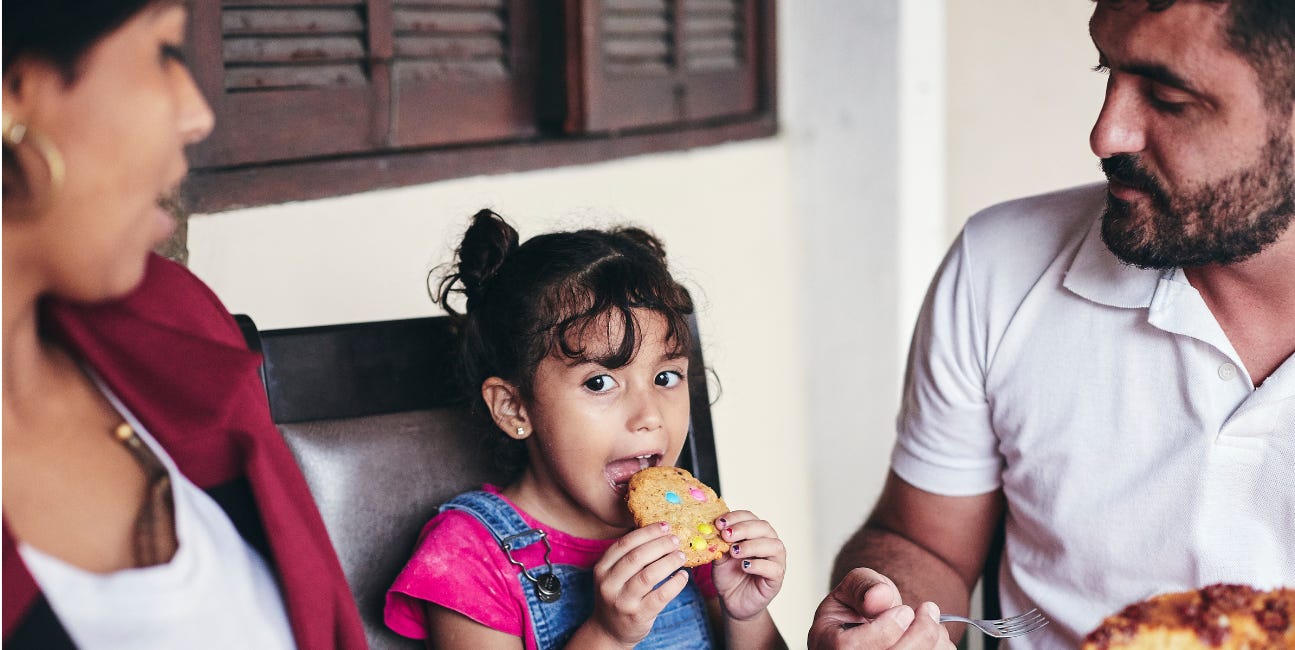
This is one of those feeding concerns that sounds light when parents first say it, sometimes even accompanied by a nervous laugh.
“He eats perfectly for his dad.”
“She finishes lunch with grandma but refuses everything with me.”
“At daycare they say he eats so well. At home? Complete disaster.”
But underneath that laugh, there’s usually something much heavier: hurt, frustration, and sometimes even resentment. Because what many parents are really asking is: Why does my child cooperate with everyone else… but not me? And that question can feel deeply personal. A mother told me recently: “I spend time planning meals, cooking fresh food, and trying different things. Then my husband gives the exact same food and she eats it happily. I don’t understand what I’m doing wrong.”
I want to begin where I begin with every family:
This is usually not about your food. And it is almost never about your child rejecting you.
But understanding the psychology behind why this happens can make these mealtimes feel much less painful.
1. Familiarity Changes Behaviour
Children often behave differently with the people they feel safest with.
That may sound backwards. Shouldn’t children behave better with the people they trust most? Not necessarily. Safety often creates emotional freedom. A child may hold it together at daycare, follow instructions with grandparents, or eat calmly for a less emotionally involved caregiver and then fully unravel with the parent they feel safest with.
Home is where the emotional guard comes down. This isn’t rejection; it’s regulation.
2. You Carry More Emotional Weight at Meals
This is especially true for the parent who is most involved in daily feeding. Children quickly learn to read your cues: This person notices what I eat. This person cares how much I eat. This person reacts.
Once children sense this emotional investment, food can become relational rather than just nutritional. A bite suddenly becomes about reassurance, approval, negotiation, or tension.
Whereas with another caregiver, the emotional intensity may simply be lower. Same child. Same food. Completely different emotional atmosphere.
3. Less Pressure Often Means Easier Eating
Partners, grandparents, or daycare staff often unintentionally do something very helpful: they care less about the outcome. Not because they care less about the child, but because they’re less emotionally entangled in every single bite. That translates to less coaxing, less watching, less “just one more bite,” and less visible anxiety.
Children respond to that lack of pressure. A calmer table almost always produces easier eating.
4. Children Learn Patterns Quickly
If meals with one parent predictably involve encouragement, negotiation, alternatives, pressure, rescue snacks, or emotional reactions, the child learns exactly how that script plays out.
It’s not a conscious manipulation, but children are remarkably sensitive to what different caregivers allow, expect, and emotionally communicate.
5. The Invisible Mental Load
This is the part I wish more parents talked about. Feeding often becomes invisible emotional labour: planning meals, shopping, worrying about nutrition, tracking what was eaten yesterday, and wondering if milk ruined lunch.
So when your child eats easily for someone else? It doesn’t just feel confusing; it can feel deeply unfair. If that’s how you’ve felt, please know that your frustration is completely valid.
6. Sometimes It’s About Timing, Not People
Before drawing conclusions, it’s worth looking at the logistics:
Who is serving the meal?
What time is it?
How hungry is the child at that specific hour?
Is the environment naturally calmer at that time of day?
Sometimes it looks like “they eat better for Dad,” but really, Dad just happens to serve the meal when the child is at their peak hunger window. Patterns can be misleading.
What Usually Makes It Worse
When parents feel rejected, the natural human instinct is to try harder. We offer more encouragement, more persuasion, and more effort.
But children often experience this extra effort as pressure. And pressure rarely improves appetite, it usually just increases resistance.
What Actually Helps
- Step Back From the Emotional Meaning: A refused meal is not a relationship verdict. It does not mean they prefer someone else, that you’ve failed, or that they’re manipulating you. It just means this specific moment feels different for them.
- Notice Your Own Mealtime Energy: This is not about blame, just awareness. Ask yourself: Am I watching every bite? Am I anticipating refusal? Am I entering meals already tense? Children notice the things we don’t say.
- Let Another Caregiver Take Over Sometimes: Not as a test or to “prove” anything, but simply to lower the emotional intensity. A temporary reset can help everyone breathe a little easier.
- Focus on Consistency, Not Performance: Children thrive when expectations feel predictable. A calm meal environment matters far more than perfect nutritional intake on any given night.
The Thought I’d Leave You With
Children rarely eat differently because they love one caregiver more. They eat differently because different relationships create different emotional environments.
Feeding is never just about food. It’s about regulation, connection, control, and pattern.
So if your child eats beautifully for your partner and battles you every evening, please don’t turn that into a story about your worth as a parent. Sometimes the hardest feeding relationships exist precisely because the emotional bond is the strongest.
Sometimes the solution isn’t changing the food. It’s softening the emotional weight around it.
If this sounds familiar, I’d love to know: Who does your child mysteriously eat better for? Hit reply and let me know. I suspect many parents reading this will feel a lot less alone seeing the answers.
If this article helped you feel more confident at mealtimes, you can receive weekly feeding insights directly in your inbox by subscribing to our newsletter- https://babyledweaningindia.substack.com/