During a recent consultation, a worried mom sat across from me and said, “Riddhi, my doctor says my 18 months old needs more iron, but every time I try offering eggs or meat, he spits them straight back out. How do I boost his iron on a vegetarian diet ?”
If you’ve ever stared at a bowl of plain khichdi feeling that exact same panic, take a deep breath! You don’t need fancy ingredients or forced feeding. With just a few simple tweaks to our everyday Indian pantry staples we can easily make super-nutritious, iron-packed finger foods that your toddler will actually love picking up and eating on their own.
Iron Needs a “Helper” Friend
Think of iron in plant foods as a shy guest at a party. It needs an energetic “helper” to get through the door into your baby’s body.
- The Best Helper (Vitamin C): Tangy foods like lemon juice, tomatoes, oranges, or amla (gooseberry) act like a booster rocket for iron. Squeezing a fresh lemon over your child’s food right before serving can double or triple how much iron their tummy actually absorbs!
- The “Space Out” Foods (Dairy): Calcium in milk, curd, and cheese is great for bones, but it likes to crowd out iron. Try to keep milk or heavy cheese about 1 hour away from your main iron-rich meals so they don’t fight for attention in the tummy.
High-Iron Recipes for Toddlers
1. Halim & Date Energy Balls
- Soak ¼ cup halim seeds in water for 2–3 hours until gelatinous. Dry-roast ½ cup mixed nuts (almonds/cashews) with 1 cardamom pod, cool, and grind into a fine powder. In a pan, toast 1 cup grated coconut in 1 tsp ghee until golden, then stir in the soaked halim seeds, ½ cup jaggery powder, and a pinch of amla powder (for Vitamin C). Cook on low heat as the jaggery melts, add the nut powder and another spoon of ghee, and stir until the mixture pulls away from the pan into a dough. Cool completely and roll into soft, squashable laddoos.
- Storage: Keep in an airtight box in the fridge for up to 2 weeks- roasting the coconut and nuts eliminates the raw earthy smell and keeps them fresh longer.
2. Beetroot & Lentil Pancakes (Cheela) with Chutney
- For the Cheela: Soak ½ cup yellow split moong dal for 2 hours, then drain and blend with ¼ cup grated beetroot, ¼ tsp cumin seeds, a pinch of turmeric, and a splash of water into a smooth batter. Pour small, thin circles onto a warm pan greased with ghee and cook on medium-low heat for 2–3 minutes per side until cooked properly. Cut into easy-to-hold finger strips.
- The Iron-Booster Chutney: Blend ½ cup fresh coriander (dhaniya), ½ cup fresh mint (pudina), ½ small chopped tomato, 1 tbsp amla (gooseberry) grated or paste, a generous squeeze of fresh lemon juice, and a pinch of roasted cumin powder with 2–3 tbsp water into a bright, tangy dip. For kids>1 year, you can add 1 tbsp jaggery powder.
3. Lemon & Spinach Poha Fingers
- Rinse ½ cup thick poha until soft. Mash it together with steamed spinach puree, boiled potato, salt, a pinch of cumin, and a generous squeeze of lemon juice. Shape into soft, tube-like rolls and lightly warm them on a pan with a drop of ghee.
4. Sprouted Black Chana Kebabs
- Steam sprouted black chickpeas (chana) until totally mashable. Mash thoroughly with finely chopped ripe tomato, a pinch of cumin, and a spoonful of flour to bind. Shape into soft, flat patties and pan-fry gently.
5. Rajma & Sweet Potato Pinwheels
- Pressure-cook soaked rajma until super soft and mashable. Mash with cooked sweet potato, a squeeze of lemon juice, and a pinch of roasted cumin. Spread over a soft roti, roll it up tightly, and slice into fun bite-sized wheels.
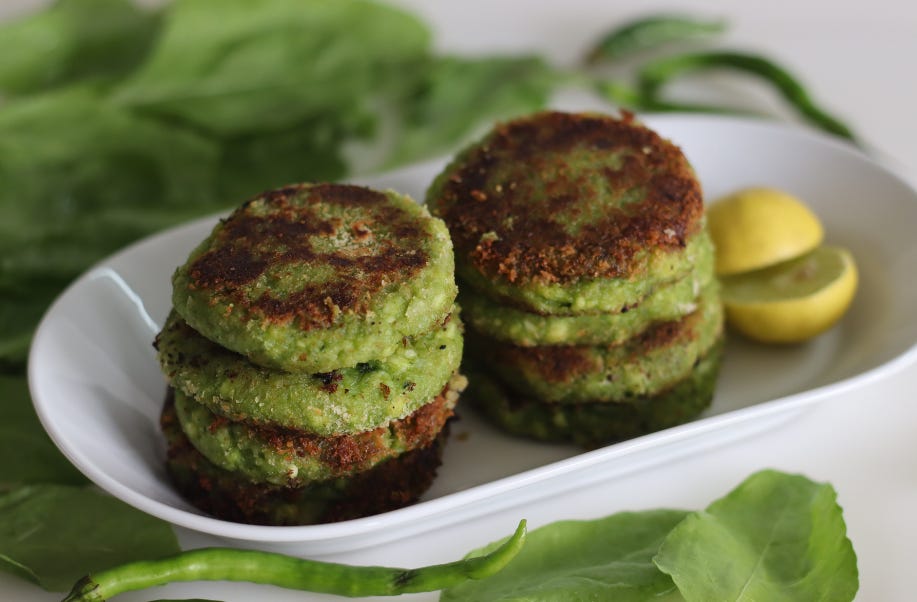
6. Hara Bhara Kebabs (Spinach, Green Peas & Potato) with Tomato chutney
- Kebab: Steam ½ cup spinach leaves (palak) and ½ cup green peas until super tender. Drain well and mash thoroughly with 1 small boiled, mashed potato, ¼ cup finely chopped fresh coriander, a pinch of roasted cumin powder, salt, chat masala. Stir in 1–2 tbsp of roasted chana flour (sattu) or oat flour to bind the mixture. Shape into soft, small patties, press a tiny piece of cashew or pumpkin seed on top (optional for older toddlers), and pan-fry on a tawa with a touch of ghee on low-medium heat until golden. Cut into soft bite-sized strips or serve whole as finger food.
- Tomato Chutney: Heat 1 tsp ghee in a small pan with a pinch of cumin seeds. Add 1 ripe finely chopped tomato and a pinch of turmeric, and cook on low heat until soft and jammy. Turn off the heat, stir in a generous squeeze of fresh lemon juice, and let cool.
7. Creamy Green Pasta
Boil 1 cup pasta (whole wheat or chickpea pasta for extra iron), saving 2–3 tablespoons of pasta water. In a pan, sauté 1 minced garlic clove and 1 diced tomato in 1 tbsp olive oil or ghee until soft, then add 1 cup fresh spinach (palak), ½ cup steamed sweet green peas, and 8–10 soaked raw cashews for 1–2 minutes until the spinach wilts. Add salt as per taste. Blend the veggies, cashews, and reserved warm pasta water into a silky green sauce, then toss with the cooked pasta. Turn off the heat and stir in a generous squeeze of fresh lemon juice. The fresh Vitamin C in the tomato and raw lemon unlocks the iron in the spinach, peas, and cashews.
Quick Tips
- Always Add Lemon Last: Heat destroys Vitamin C, so always squeeze fresh lemon juice onto cooked food right before serving, never while it’s boiling on the stove.
- Soak Your Lentils: Soaking dals, beans, and grains in water overnight helps soften them and makes the natural iron much easier for tiny tummies to digest.
- Use an Iron Pan (Kadhai): Cooking your daily subzi or dal in a traditional heavy cast-iron skillet naturally adds a safe, subtle boost of iron straight into your family’s food!
When food alone may not be enough
Babies have important iron needs during infancy, and some are at greater risk of deficiency. If your baby has been diagnosed with low iron, is unusually pale or tired, has feeding difficulties, or is growing poorly, discuss the next steps with your paediatrician.
Iron deficiency can occur without obvious symptoms, so you cannot reliably assess your baby’s iron status from appetite, energy or appearance alone. Your clinician can advise whether testing or supplementation is appropriate.
Never start an iron supplement or change its dose without medical guidance. Iron supplements can be harmful in excessive amounts and must be stored securely out of children’s reach.
The thought I’d leave you with
A vegetarian diet can include a variety of iron-containing foods. You don’t need to make every meal perfect or persuade your baby to eat something they repeatedly reject.
Start with one familiar meal. Add a source of iron, pair it with a vitamin C-rich food, and keep offering different textures and flavours without pressure.
And if your doctor has already raised concerns about your baby’s iron levels, remember that asking for help early is a positive step, not a sign that you’ve done anything wrong.
This article is for general educational purposes and does not replace individual medical advice. If your child has suspected or confirmed iron deficiency, follow your healthcare professional’s recommendations.
Check out our complete archive of expert parent guides here: BLW India Post Archive