In one of my consultation calls last holiday season, a mother said, “Riddhi, I spent all of Diwali lunch running after my 2-year-old with a bowl of food while relatives watched and judged. I didn’t get a single warm bite of my own meal, and my toddler ended up screaming under the bed.” I could see the sheer exhaustion in her eyes, because I hear this exact story from almost every parent I coach during the holidays.
During holidays, our expectations for mealtime naturally shift. We want our children to sit nicely, sample the special food, and participate in family traditions. But for a toddler, a grand festive table isn’t cozy; it is a wall of sensory noise. Combine loud laughter, unfamiliar smells, bright outfits, and a room full of eager faces watching their every bite, and fleeing the table is actually a very logical coping mechanism.
Here is how to take the pressure off your child and yourself during family festive meals.
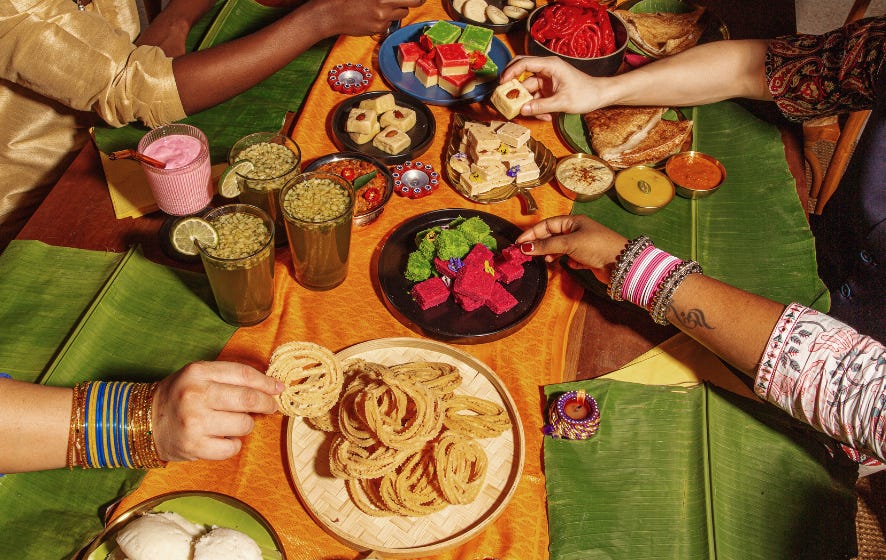
1. What “Sitting at the Table” Really Looks Like
- Aim for Happy Minutes: Expecting a toddler to sit through a long, 45-minute family meal asks for far more than their growing brains can physically manage. Instead, focus on keeping mealtimes brief and low-pressure. Aiming for just 5 to 10 peaceful minutes at the table is a huge win. It is far better to wrap up happily after a few quick minutes than to force them to stay seated until everyone ends up stressed.
- Let them connect first, eat second: Allow your toddler to explore the room or play quietly nearby for a few minutes before calling them to sit. A toddler who has satisfied their initial curiosity is much easier to anchor at the table.
- Create an “All-Done” exit strategy: Teach them a simple sign or phrase (”All done!”) so they know how to excuse themselves safely without resorting to throwing food or screaming.
2. Manage the Relatives
Well-meaning family members often escalate mealtime tension by clapping, bribing (“Eat two more bites and you get a laddoo!”), or commenting (“Look how well your cousin eats!”).
Your job is to act as a buffer between the room’s noise and your child’s nervous system.
- Set expectations early: Before sitting down, gently remind relatives: “We’re letting him explore at his own pace today so meals stay fun for him!”
- Simple ways to reply to relatives:
- If asked about picky eating: “His appetite ebbs and flows, especially with all this festive excitement! He’ll eat when his belly is ready.”
- If someone tries to force-feed: “Thanks, Massi! I’ve got his plate handled today. you go ahead and enjoy your hot food.”
3. Offer a “Safe Anchor” on the Plate
Festive meals are often packed with complex spice blends, novel textures, and rich dishes that can intimidate cautious eaters.
- The 1-Safe-Food Rule: Always ensure there is at least one completely familiar, accepted food on their plate. Even if it’s plain rice, a familiar piece of fruit, or simple cucumber sticks.
- Keep portions micro-sized: A overflowing plate feels overwhelming to an overstimulated child. Serve tiny 1-tablespoon portions so the plate looks approachable.
- Don’t Worry About How Much They Eat: Once the plate is served, your job is done. Whether they eat three bites of plain rice or try the special dish, keep your tone light and neutral.
4. Have a Post Meal Activity Ready
Instead of forcing your toddler to remain trapped in a high chair while adults finish chatting, set up a designated quiet play corner just outside the dining space.
- Set up a tray with marigold petals (genda phool) in a few big bowls. Toddlers can sort colors, tear petals, or lay them out on a small play tray without any mess or chemicals.
- Give them non-toxic playdough or soft clay with a couple of safe silicone tea lights or wooden stamps to press into their own “diyas.”
- Keep a couple of thick Diwali coloring sheets (like simple diya or lamp outlines) with washable crayons or a mess-free water doodle mat.
- Give them a sheet of bright, metallic dot stickers and cardstock to make their own easy “sticker rangolis.”
- Knowing they have a clear, safe space to go after eating prevents the desperate table-fleeing meltdowns before they even start.
5. Keep a “Late-Night Snack” on Standby
If your toddler leaves the table having eaten only two cucumber sticks, don’t panic or force a second dinner attempt. Between the excitement, late hours, and sensory overload, their tummy simply wasn’t ready. Keep a gentle, zero-fuss snack ready in the kitchen for when the festive noise winds down and their hunger finally catches up with them:
- Warm Paneer Cubes or Soft Cheese: Quick protein that fills tiny bellies without heavy spicing.
- Makhana (Fox Nuts): Lightly roasted in a drop of ghee with a pinch of turmeric for a soft, easy-to-chew crunch.
- Banana or Stewed Fruit: Gentle on the stomach and easy to digest right before bedtime.
- A Mini Roti Roll: Spread with a thin layer of nut butter, mashed avocado, or fresh paneer.
Festive gatherings are about connection, joy, and shared warmth, not forcing a toddler to act like an adult at a dining table. If your child eats two bites of Puris, announces they are done, and spends the rest of dinner happily building playdough diyas on the rug nearby, consider that a major success. You are honoring their limits while teaching them that mealtimes are safe and stress-free. Take a deep breath, pass the sweets, and enjoy the celebration. Here’s to a festive season filled with joyful connection, warm meals, and zero pressure on you or your little one.
Every child’s appetite and temperament are unique. If holiday mealtimes have felt overwhelming, let’s reset together. Schedule a 1:1 Personal Support Session with me.
Join Personal Session
Check out our complete archive of expert parent guides here: BLW India Post Archive