During a recent consultation, a tired mom sat across from me with a confession so many parents carry in secret:
“Riddhi, I try so hard to keep our home free of processed chips, cookies, and sugary drinks. But the second we go to a birthday party or visit relatives, my 2-year-old acts like he’s never seen food before. Why is he so obsessed with foods I don’t even keep in the house?”
If you’ve found yourself in such situation at social gatherings, take a deep breath. You are not alone, and your child isn’t being “bad.”
The instinct to protect our children by completely banning or hiding “unhealthy” foods comes from a place of deep love. But child development and nutritional psychology tell us something surprising:
The stricter we restrict a food at home, the more magnetic and irresistible it becomes to a toddler’s brain.
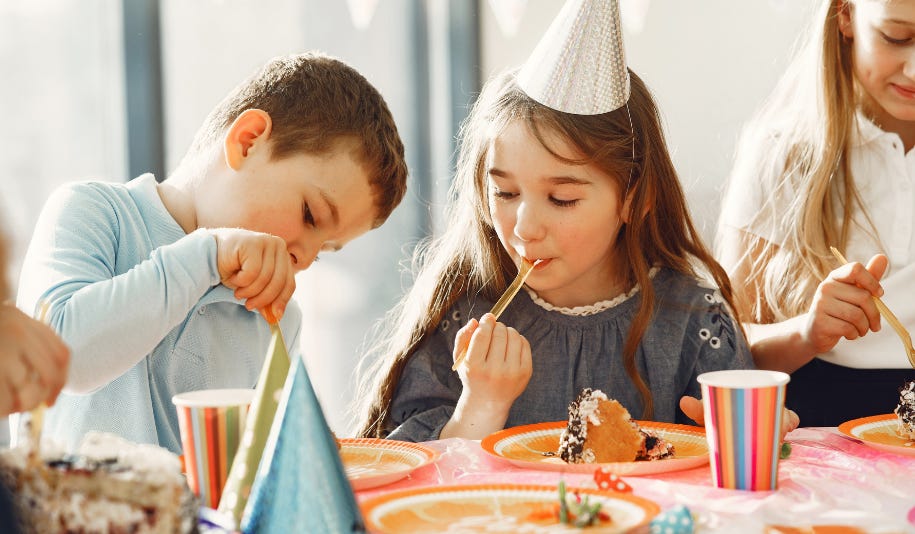
Why Restriction Backfires
When we label certain items as off-limits or hide them in top cupboards, we accidentally create what psychologists call the Scarcity Mindset.
Here is what happens in a toddler’s developing brain:
- The Dopamine Spike: When a child senses a food is rare, restricted, or secret, their brain’s reward center lights up. The food stops being just a bite to eat. It becomes a high-value trophy.
- The Urge Overcomes Hunger Signals: At a birthday party or grandma’s house, a restricted toddler doesn’t eat because their tummy is empty; they eat out of panic that the door is closing soon. Their internal self-regulation switch turns off entirely.
- Hidden Eating & Secret Snacks: Total bans can lead to hiding food, eating in secret, or intense meltdowns when the food is finally taken away.
Practical Mindset Shifts
Shifting how your home handles “fun foods” doesn’t mean opening the floodgates to endless sugar and processed snacks. It’s about moving from restriction to predictable, calm exposure.
1. Neutralize the Language
Avoid calling foods “junk,” “bad,” “dirty,” or “naughty.” When children eat a food labeled as “bad,” they often internalize that they are bad for liking it.
Instead of: “No, that’s junk food. It’s bad for your body.”
Try saying: “Chips are super crunchy! They give us quick energy, but they don’t keep our tummy full for long like our dal and rice do.”
2. Stop Using Dessert as a Reward
Using sweet treats as leverage (“Two more bites of broccoli if you want a laddoo”) reinforces that vegetables are unpleasant chores and laddoos are the ultimate prize.
Instead of: “Finish your dinner first, then you get a treat.”
Try saying: “All the foods on your plate are for eating today. You can choose what order to eat them in.”
3. Serve “Fun Foods” Alongside Main Meals
Once or twice a week, place a tiny, bite-sized portion of a favorite sweet or crisp right on their dinner plate alongside their regular roti, sabzi, or lentil curry.
When a cookie or sweet loses its status as the “grand finale,” the emotional urgency disappears. You might even watch your toddler take a bite of the cookie, set it down, and eat their cucumber stick next!
4. Establish a Predictable “Treat Day” or Routine
Set a regular, predictable routine for fun foods, like a weekly “Sunday Ice Cream Day” or a dedicated Friday afternoon snack ritual. When toddlers know that fun foods have a reliable, guaranteed place in their week, the panic of “I must eat this now before it disappears forever!” completely fades away.
Try saying: “We don’t have ice cream today, but Friday is our Ice Cream Day! We get to enjoy it together then.”
Quick Tips for Social Gatherings & Parties
- Never Send Them Hungry: Offer a small, familiar, protein-rich snack (like a bowl of curd-rice, a piece of cheese, or a mini poha bowl) right before heading to a party or event.
- Avoid Panicked Warnings in the Car: Saying “Don’t eat too much cake today!” on the way over only heightens your child’s focus on the food table before you even step inside.
- Plate It Together: Walk to the snack table with your toddler, let them pick 1–2 fun items, put them on a plate, and sit down together to enjoy them calmly away from the crowd.
- Stay Neutral if They Overeat: If your toddler eats 3 cupcakes, keep your voice gentle and non-judgmental: “Your tummy might feel a bit heavy after all that sweet cake. Let’s get some water and sit together for a bit.”
Quick Recipes for Toddlers
Baked Sweet-Potato & Jaggery Snack Bites
Mix 1 small boiled mashed sweet potato, 2 tbsp whole-wheat or oat flour, 1 tbsp organic jaggery powder, 1 tsp melted ghee, and a pinch of cardamom into a soft dough. Roll into small flattened coins, brush lightly with ghee, and bake at 180°C (350°F) on a parchment-lined tray for 10–12 minutes (flipping halfway); let cool for 5 minutes for the jaggery to set into soft, toddler-friendly bites.
Crunchy Makhana Trail Mix
Heat 1 tsp ghee in a pan over low heat. Roast 1 cup makhana and ¼ cup chopped mixed nuts (cashews, almonds, walnuts) for 4–5 minutes until crispy and golden. Add a pinch of turmeric, roasted cumin, salt, amchur powder or spices of your choice. Mix well. Let cool completely, toss with 1 tbsp finely chopped raisins or dried cranberries, and serve as a balanced, crunch-filled afternoon snack.
The Long Game
Building a healthy relationship with food is a marathon, not a sprint. When we remove the secrecy, strict bans, and shame around “forbidden” foods, we give our toddlers the ultimate life skill: the internal confidence to listen to their own bodies.
When food is no longer a prize, a punishment, or a battleground, eating becomes what it was always meant to be- nourishing, joyful, and calm. Remember, our goal isn’t to create a perfectly controlled environment where our kids never touch a chip or a piece of cake. It’s to raise children who feel safe, relaxed, and connected around all kinds of food. When we replace restriction with calm, predictable exposure, we give our toddlers the confidence to listen to their own bodies for a lifetime.
Check out our complete archive of expert parent guides here: BLW India Post Archive